- Children's Dental Care
- Common dental issues
- Cavities and tooth decay
Understanding Cavities and Tooth Decay in Children
Learn about cavities and tooth decay in children, their causes, prevention, and treatment options available through pediatric dental services in San Diego County.
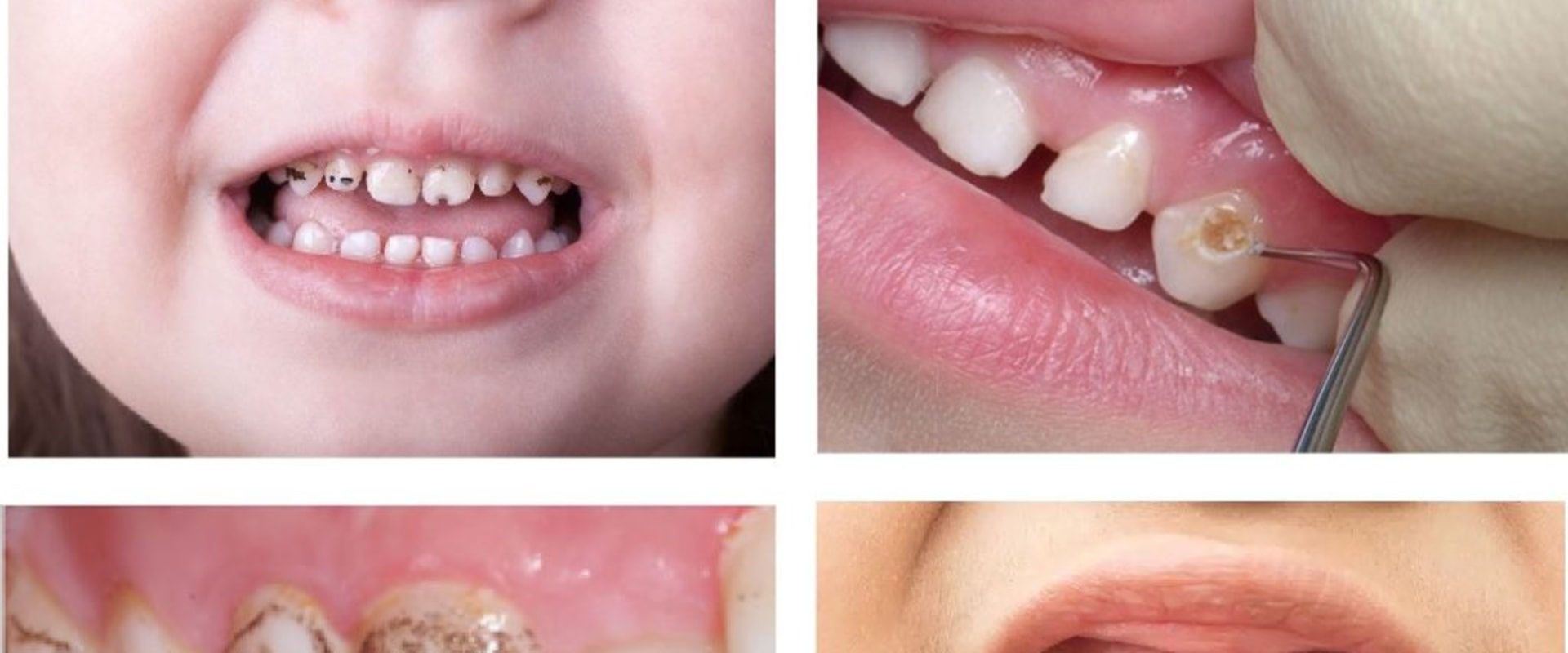
As parents, ensuring the health and well-being of our children is a top priority, and this includes their dental health. At San Diego Pediatrics, we understand that the foundation for a lifetime of healthy smiles begins in childhood. Among the most common dental issues faced by young ones are cavities and tooth decaytooth decay, conditions that can lead to discomfort and affect a child's overall well-being. With the prevalence of these issues, it's essential for parents to prioritize self-care by being informed about what causes them, how they can be prevented, and the best practices for maintaining good oral hygiene. , conditions that can lead to discomfort and affect a child's overall well-being. With the prevalence of these issues, it's essential for parents to prioritize self-care by being informed about what causes them, how they can be prevented, and the best practices for maintaining good oral hygiene.
The journey into understanding cavities and tooth decay starts with recognizing that these conditions are not merely the result of poor oral hygiene. Various factors—including diet, genetics, and even certain medical conditions—play significant roles in a child's susceptibility to dental problems. In this article, we will explore the intricacies of these common dental challenges, providing insights into their causes, symptoms, and effective preventive measures that parents can adopt. By arming ourselves with knowledge and resources, we can foster an environment that promotes healthy habits from an early age.
Join us as we delve into the world of pediatric dental care, shedding light on how to combat cavities and tooth decay, ensuring our children's bright smiles shine for years to come. Understanding cavities and tooth decay is crucial for maintaining children's dental health, especially given their prevalence among young ones. These common issues can significantly impact a child's well-being and development. At is crucial for maintaining children's dental health, especially given their prevalence among young ones. These common issues can significantly impact a child's well-being and development. At San Diego Pediatrics, we recognize the importance of dental health in childhood, serving as a vital resource for families seeking guidance and care in pediatric dentistry. Parents must be informed about these dental problems to ensure their children enjoy healthy smiles for life., we recognize the importance of dental health in childhood, serving as a vital resource for families seeking guidance and care in pediatric dentistry. Parents must be informed about these dental problems to ensure their children enjoy healthy smiles for life.
Cavities
, also known as dental caries, develop when the hard surface of a tooth is damaged due to acids produced by bacteria that feed on sugars in the mouth.Poor oral hygiene practices, such as infrequent brushing and flossing, combined with a diet high in sugary foods and drinks, can lead to an increased risk of tooth decay. Additionally, a lack of fluoride—a mineral that helps prevent cavities—exacerbates the problem. Understanding how these factors contribute to tooth decay is essential for parents who wish to protect their children’s dental health. The incidence of cavities in children is alarmingly high. According to the Centers for Disease Control and Prevention (CDC), nearly 20% of children ages 5 to 11 have at least one untreated cavity.
This statistic highlights the need for proactive measures and awareness among parents. It’s important to remember that cavities can affect children even at an early age, making it crucial for parents to be vigilant about their children’s dental hygiene. Parents should be aware of several symptoms that may indicate the presence of cavities or tooth decay. Common signs include tooth sensitivity, especially when consuming hot or cold foods and drinks, or visible holes and pits on the teeth. If a child complains of discomfort while eating or shows reluctance to chew, it may be time to consult a pediatric dentist for evaluation.
Early detection is vital in preventing more severe dental issues down the line. Preventing cavities is not only possible but also essential. Regular brushing with fluoride toothpaste twice a day and daily flossing can significantly reduce the risk of tooth decay. Furthermore, routine dental check-ups are critical for monitoring oral health and catching any issues early on. Parents can find skilled pediatric dental providers through San Diego Pediatrics, who are dedicated to ensuring that children's dental care needs are met effectively. Treatment options for cavities vary depending on the severity of the decay.
For small cavities, dental fillings may be sufficient to restore the tooth’s integrity. In some cases, sealants can be applied to protect vulnerable areas of teeth from decay, particularly in molars where food particles often get trapped. It is advisable for parents to consult with pediatric dental specialists regarding any concerns about their child’s oral health. Creating a positive dental experience for children is paramount in fostering lifelong healthy habits. Encouraging regular dental visits and teaching children about proper oral hygiene can help them view dental care as a normal part of their routine rather than something to fear.
By partnering with local pediatric dentists listed on San Diego Pediatrics, parents can ensure that their children receive compassionate care in a friendly environment, laying the foundation for a lifetime of good oral health.
Signs and Symptoms of Cavities
Identifying cavities and tooth decay early in children is crucial for effective treatment and prevention of further dental issues. Parents should be vigilant for several signs and symptoms that may indicate their child has developed cavities. These signs can vary in severity but often include:- Pain or Discomfort: Children may complain of tooth pain, especially when eating sugary or hot and cold foods.
- Visible Holes or Pits: Inspecting your child's teeth for any visible holes, pits, or dark spots can help detect cavities early.
- Increased Sensitivity: A child might exhibit sensitivity to temperature changes or sugary substances, indicating potential decay.
- Bad Breath: Persistent bad breath, even after brushing, can be a sign of dental issues, including cavities.
- Swelling or Redness: Look for any swelling or redness around the gums, which can be a sign of infection related to tooth decay.
San Diego Pediatrics
can help families connect with qualified pediatric dental care providers in San Diego County to ensure their children receive the necessary treatment and guidance for maintaining good dental health.Prevention Strategies for Parents
Preventing cavities and tooth decay is crucial for maintaining your child's dental health, and San Diego Pediatrics serves as an excellent resource for families seeking guidance on this matter.One of the most effective ways to prevent cavities is through proper oral hygiene, which starts with establishing a consistent brushing routine. Children should brush their teeth at least twice a day with fluoride toothpaste, focusing on all surfaces of the teeth. Parents can help by supervising their children while they brush to ensure they are using the correct technique and brushing for a full two minutes. In addition to brushing, dietary choices play a significant role in cavity prevention. Limiting sugary snacks and drinks is essential, as sugar feeds the bacteria in the mouth that produce acid and lead to tooth decay.
Instead, encourage your child to consume a balanced diet rich in fruits, vegetables, whole grains, and dairy products. Foods high in calcium and phosphorous, such as cheese and yogurt, can strengthen teeth and help remineralize enamel. Regular dental check-ups are also a key component of cavity prevention. Visiting a pediatric dentist, like those listed in San Diego Pediatrics, can help identify any early signs of tooth decay before they become serious issues. Furthermore, dental professionals can provide personalized advice on effective brushing techniques and recommend fluoride treatments or sealants as additional protective measures.
By adopting these strategies, parents can significantly reduce the risk of cavities and ensure a healthier smile for their children.
What Causes Cavities and Tooth Decay?
Cavities, also known as dental caries, are a common issue among children, and understanding their causes is crucial for prevention. At San Diego Pediatrics, we emphasize the importance of recognizing the factors that contribute to cavities and tooth decay to help parents take proactive steps in their children’s dental care. One of the primary causes of cavities is dietary habits. Consuming sugary foods and beverages provides an ideal environment for harmful bacteria in the mouth to thrive.These bacteria produce acid that erodes tooth enamel, leading to cavities. In addition to dietary habits, inadequate oral hygiene practices significantly contribute to the development of cavities. Children often need guidance and support in maintaining proper brushing and flossing routines. Regular brushing with fluoride toothpaste helps remove food particles and plaque, while flossing reaches areas between teeth that toothbrushes may miss. Parents should encourage their children to brush at least twice a day and make flossing a daily habit. Furthermore, frequent snacking on sugary or acidic foods can increase the risk of cavities.
When children snack throughout the day, especially on sweets, their teeth are continually exposed to acids that can weaken enamel. It's important for parents to monitor not only what their children eat but also when they eat, promoting healthier snack options like fruits, vegetables, and dairy products. By understanding these causes of cavities and tooth decay, parents can better equip themselves to maintain their children's dental health. Regular visits to a pediatric dentist, such as those recommended by San Diego Pediatrics, can also help monitor children's dental health and provide professional guidance tailored to each child's needs.
Treatment Options Available
When it comes to addressing cavities and tooth decay in children, various treatment methods are available to restore dental health and prevent further complications. It is essential for parents to understand these options and the role of pediatric dentists in ensuring their child's oral health. The most common treatment for cavities is the dental filling.This procedure involves removing the decayed portion of the tooth and filling it with a material such as composite resin, amalgam, or glass ionomer. Pediatric dentists, like those found through San Diego Pediatrics, are specially trained to work with children and can make this process as comfortable and stress-free as possible. In cases where cavities are more severe, a crown may be necessary. Crowns are used to cover and protect a damaged tooth, restoring its shape, size, and function. This treatment is typically recommended when the structure of the tooth is significantly compromised. If a cavity has progressed to the point of infection, a root canal may be required to remove the infected tissue and save the tooth.
Though this might sound daunting, pediatric dentists employ techniques that minimize discomfort and anxiety for young patients. Additionally, preventive measures such as fluoride treatments and dental sealants play a crucial role in protecting against cavities. Fluoride strengthens the enamel of teeth, making them more resistant to decay, while sealants provide a protective barrier on the chewing surfaces of molars. Regular dental check-ups are vital for early detection and intervention. Parents can find qualified pediatric dental professionals through San Diego Pediatrics, ensuring that their children receive the best care available.
Finding Pediatric Dental Care in San Diego
Finding suitable pediatric dental care for your child can seem daunting, but San Diego Pediatrics is here to simplify the process. As a leading directory for children’s healthcare providers, San Diego Pediatrics connects families with top-rated pediatric dentists throughout San Diego County.This resource offers a comprehensive list of dental specialists who understand the unique needs of children and prioritize their dental health. To navigate the San Diego Pediatrics directory effectively, start by visiting their website where you can search for pediatric dental providers based on your specific location within San Diego County, including areas like Chula Vista, Carlsbad, and Escondido. Utilize filters such as distance, specialties, and patient reviews to find a dentist that best meets your child’s needs. Additionally, consider reaching out to friends, family, or your child’s primary healthcare provider for recommendations on pediatric dentists they trust. Once you have a list of potential providers, take advantage of the information available on San Diego Pediatrics to compare their services, office hours, and patient feedback. This will help ensure that you choose a dental practice that not only fits your logistical needs but also creates a comfortable environment for your child. Finally, after selecting a pediatric dentist, it’s important to schedule an initial visit.
This first appointment will allow you to assess the office atmosphere and staff while also giving your child an opportunity to become familiar with the dental environment. With the guidance of San Diego Pediatrics, finding a pediatric dental care provider in San Diego can be a straightforward and reassuring experience for both you and your child. In conclusion, understanding cavities and tooth decay is essential for parents to ensure the dental health of their children. We discussed the various causes, signs, and symptoms of cavities, along with effective prevention strategies and treatment options available. By recognizing the prevalence of these issues among children, parents can take proactive steps to safeguard their little ones' smiles. Regular check-ups with pediatric dentists, such as those found through San Diego Pediatrics, play a crucial role in maintaining optimal dental health.
These professionals are equipped to provide tailored care that meets the unique needs of children, helping to prevent long-term dental problems. We encourage all parents to prioritize their children's dental health by seeking out reliable resources and professional guidance. By doing so, you can help ensure a lifetime of healthy smiles for your children.